EMS Manufacturer for Automotive & New Energy

English

English
EMS Manufacturer for Automotive & New Energy
English
English
Turnkey PCB Assembly testing services are crucial for ensuring the quality and reliability of your printed circuit boards. Many manufacturers overlook the importance of thorough testing, which can lead to product failures. This oversight can result in costly delays and dissatisfied customers. To prevent these issues, it is vital to understand what testing is included in turnkey PCB assembly. In this article, we will explore various testing methods such as functional testing, in-circuit testing, and environmental testing. Each of these plays a significant role in the assembly process.
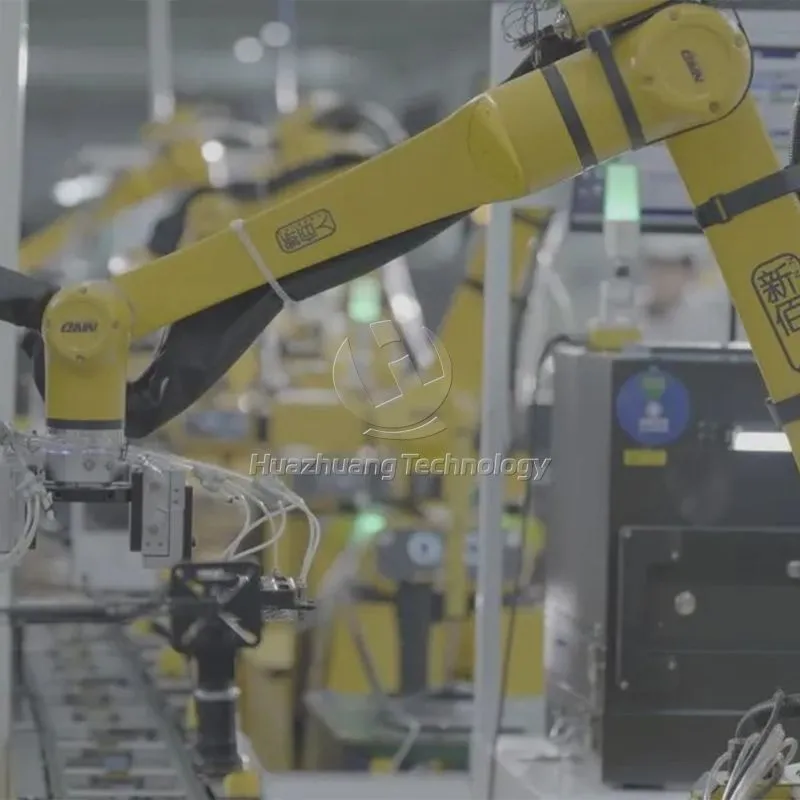
Turnkey PCB assembly typically includes functional testing, in-circuit testing, and environmental testing to ensure product quality and reliability.
This testing method verifies that the completed assembly works as intended. Devices are powered on, and their operations are checked against expected outcomes. For example, if a device is meant to send a signal, the test will confirm it sends the correct signal.
In-circuit testing (ICT) checks individual components on the PCB without powering the device. This test measures resistance, capacitance, and other electrical properties to ensure each part functions correctly. ICT can detect manufacturing defects early in the process, saving time and money.
This testing simulates various environmental conditions to assess how the assembly holds up under stress. It includes temperature cycling, humidity tests, and more. Environmental testing ensures that the PCB will operate in real-world conditions.
Automated optical inspection (AOI) uses cameras and software to visually check PCBs for defects. This method identifies problems like misaligned components or soldering issues quickly and efficiently.
Burn-in testing subjects the PCB to high-stress conditions for an extended period. This is done to uncover potential failures before the product reaches the end user. It is beneficial for ensuring long-term reliability.
In conclusion, testing is a vital part of the turnkey PCB assembly process. By including functional testing, in-circuit testing, environmental testing, automated optical inspection, and burn-in testing, manufacturers can ensure high-quality products. These testing services help detect issues early and reduce the risk of product failures.
A turnkey PCB assembly is a complete service that covers all aspects of PCB manufacturing, from design to final testing and delivery.
Functional testing is essential because it ensures that the final product performs its intended functions correctly.
In-circuit testing measures the electrical characteristics of components on the PCB to detect faults before the product is finalized.
Environmental testing checks how well a PCB can operate under different conditions, ensuring durability and reliability.
Automated optical inspection detects visual defects such as component misalignment and soldering issues.
Burn-in testing is used to identify potential failures in a PCB by exposing it to stress conditions before it goes to market.
Guangdong Huazhuang Technology Co., Ltd.
+86 0769 8372 4262
No. 1, Taoyuan Road, Cunwei, Hengli Town, Dongguan City, Guangdong Province


